Sustainability サステナビリティ

Responsible Consumption and Production

Responsible Consumption and Production

"Minna no Ekimoku Project" - Reusing old materials from railway facilities

Particularly relevant targets:

  • 12.2 Sustainable management and efficient use of natural resources
  • 12.5 Significantly reduce waste generation

Other related goals:

Related material sustainability themes:

  • Urban and Community Development
  • Decarbonized and recycling-based society

The Ekimoku Project makes use of materials from old stations

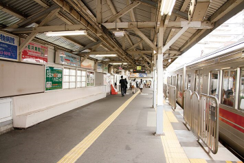
The "Minna no Ekimoku Project" is an initiative to reuse "ekimoku" (old station building materials) generated during construction to reduce CO2 and waste during waste disposal. This project is linked to the "Kini naru Renewal" project, which takes into consideration the opinions of customers and local residents when renovating wooden station buildings, mainly on the Ikegami Line, and uses "timber from the Tama area" grown and produced in the Tama area of Tokyo. It began in March 2018 with the Hatanodai Station improvement work and Ikegami Station development plan. The memories of the historic wooden station, which have been nurtured together with the customers who use the station and the local people, are passed on to the future, and old materials such as wooden benches on the platform and platform roofs that have been used since the station opened are also used in new station facilities.

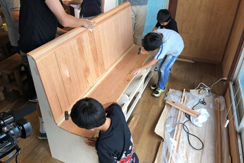
In addition, we have held several events using "ekimoku," contributing to our connections with the local community. In the first and second events held in 2018, we used ekimoku to make chairs and Christmas ornaments together with the local community. The theme of the third event was "Let's spread the ekimoku of Ikegami Station to the town." We prepared "bench kits" that allowed people to make their own "ekimoku benches" by redesigning the benches that were installed at Ikegami Station using old wood from Ikegami Station, and distributed them to businesses that could install them in public places. The "ekimoku benches" made by each business have been installed in 11 locations around the town, including post offices, hospitals, and restaurants. We will continue to connect the memories of the historic wooden station to the future through this project.

Renovation business to extend the lifespan of buildings and restore their value

Particularly relevant targets:

  • 12.2 Sustainable management and efficient use of natural resources
  • 12.5 Significantly reduce waste generation

Other related goals:

Related material sustainability themes:

  • Urban and Community Development
  • Decarbonized and recycling-based society

"IOQ Series" office renovation aimed at solving changing social issues

In our real estate business, we are also working to create new value for offices while addressing environmental issues by utilizing existing buildings.

The "IOQ Series" name is an acronym of "I" (Innovation), "O" (Office), and "Q" (Question). It is an innovation office that redefines the role of the office (O) and creates innovation (I) in response to challenges (Q) such as weakened communication and declining labor productivity that have become apparent due to changes in work styles and lifestyles.

The first project, "GROWTH BY IOQ," opened in October 2021 in Higashi-Azabu, Minato-ku, Tokyo, near Tokyo Tower. Prior to our acquisition, the property was operated as a serviced apartment, but in light of changes in housing demand due to the COVID-19 pandemic and the evolving nature of offices, we decided not to demolish or rebuild the property, but instead renovated the existing building into an office building.

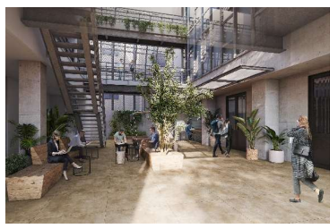
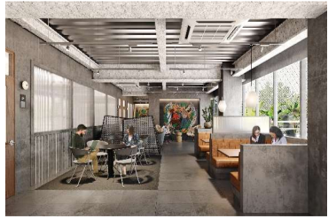
The second project, "the Folks BY IOQ," opened in February 2022 in the Jingumae area of Shibuya Ward, which is lined with apparel shops and galleries. This is not a scrap-and-build new construction project, but a renovation project that utilizes and revitalizes existing buildings. Based on the concept of "Another Local," the facility features abundant plantings and an open lounge that promotes interaction. It also provides spaces where people can freely choose where to work and communicate according to their mood and work content, such as a members-only coworking space and a lounge exclusively for office contract holders. In addition, the facility is powered by 100% renewable energy provided by Tokyu power supply, and is also working to improve sustainability.

These efforts will realize business growth by responding to new values in the real estate business, while also addressing social issues by reducing the environmental impact and cutting construction waste.

Promoting 3R in railway and hotel business assets

Particularly relevant targets:

  • 12.2 Sustainable management and efficient use of natural resources
  • 12.5 Significantly reduce waste generation

Other related goals:

Related material sustainability themes:

  • Urban and Community Development
  • Quality of Living Environment
  • Decarbonized and recycling-based society

Reusing railway vehicles through transfer and acquisition

In addition to our transportation and real estate businesses, we own many other business assets, which have a wide range of uses. For this reason, promoting the 3Rs (Reduce, Reuse, Recycle) for business assets other than buildings is also an important social responsibility.

We transfer some of the retired Tokyu Line trains to other companies. This has less of an environmental impact than recycling through dismantling trains, and it allows the transferee railway company to update their trains at a low cost. We also carry out modification work for other companies before supplying them to them. We have transferred 1000 and 8000 series trains that once ran on the Toyoko Line to consolidated subsidiaries Uedadentetsu Co.,Ltd. and Izukyu Railway, and we are also reusing trains on local railway outside Tokyu Group.

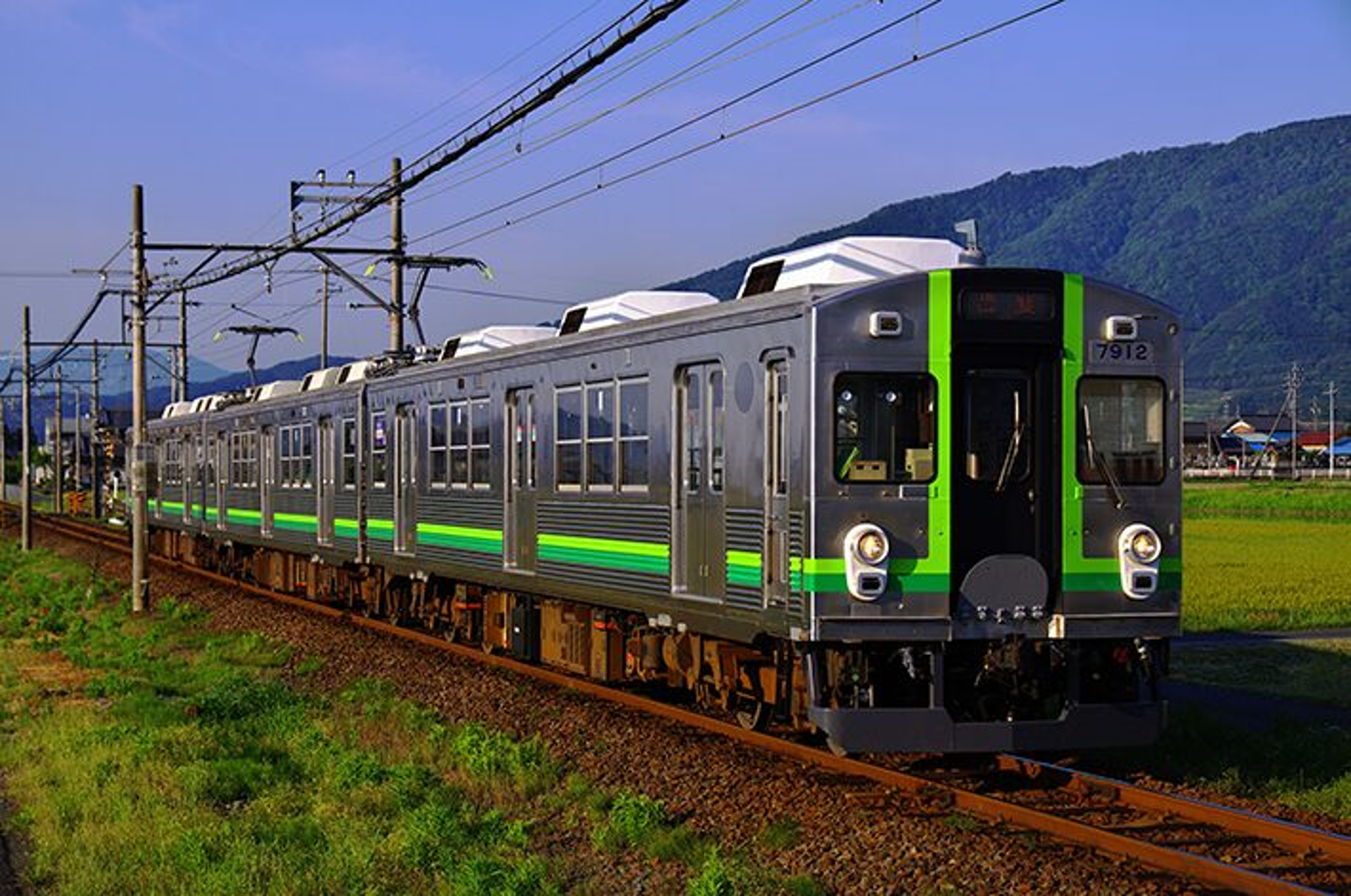
The old 7000 series, which appeared in 1962 as the first "all-stainless steel vehicle" on Japanese railway, is still in service on the Konan railway (Aomori Prefecture), railway (Ishikawa Prefecture), and Mizuma railway (Osaka Prefecture) after being retired from the Tokyu Line in 2000. The 7700 series, which was created by modifying the old 7000 series in 1987, was also retired from the Tokyu Line in November 2018 and transferred to the Yoro Railway (Gifu Prefecture and Mie Prefecture). After being modified for the Yoro Railway, including changing the exterior design and installing cross seats in some of the middle cars of the three-car train, it completed test runs and began commercial operation in April 2019. It is expected to continue running on the Yoro Railway for about 30 years from now.

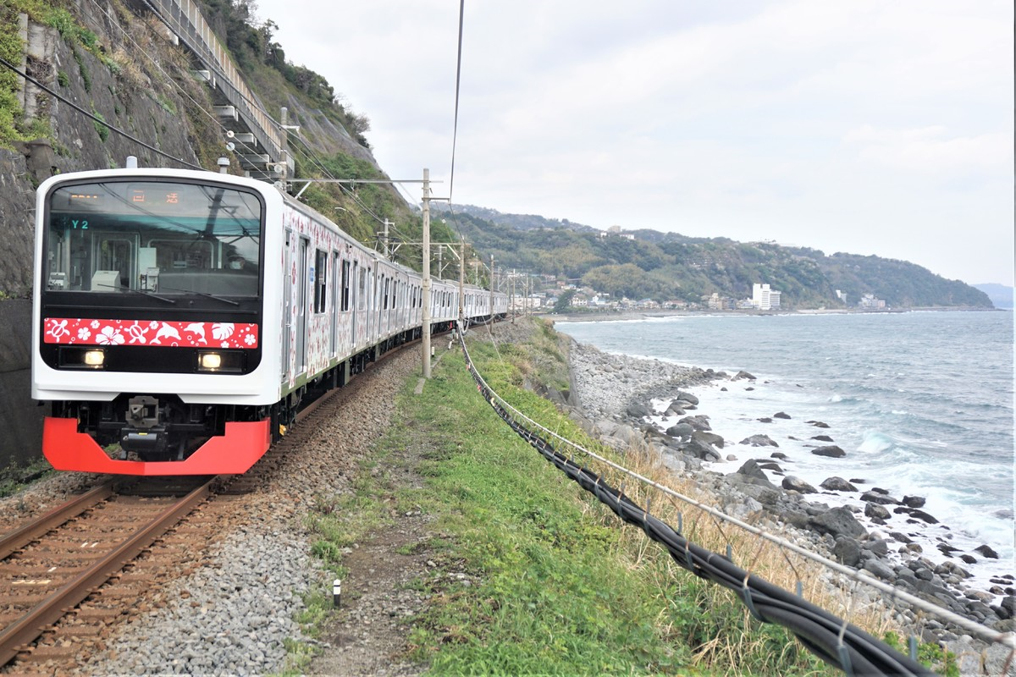
In addition, Izukyu Corporation acquired the former 209 series train from JR East, modified it for the company, and made its debut as the 3000 series Aloha train in April 2022. By sharing vehicles across railway company boundaries, we are able to operate vehicles that suit local routes while also reducing waste and CO2 emissions during new construction.

Tokyu Linen Supply's efforts to provide high-quality, long-lasting hotel linens

The linens used in hotel operations are also important service assets for ensuring that guests have a comfortable stay, and so maintaining their high quality while using them for a long time is an important initiative.

Tokyu Linen Supply Co., Ltd. provides linen to hotels operated by Tokyu Hotels as well as hotels outside Tokyu Group. It also rents mats for use in stores and other locations. Maintaining the high quality of linen that is used repeatedly by customers while ensuring a long life also contributes greatly to reducing waste. Tokyu Linen Supply Co., Ltd. provides linen made from biodegradable cotton, and has switched to a cotton material that can be used continuously for Tokyu Hotels' body towels, which were previously made from plastic and disposed of. In addition to addressing human rights risks in the supply chain, the company also uses boilers that can be used with zero chemicals and phosphorus-free detergents to address environmental issues. In order to extend the life of such linen, especially towels, the company has been recycling them into cleaning towels for bathtubs and other items when the towels become thin, and when they become even older, they are handed over to a rag manufacturer to be reused as another product for about 40 years. This is an unsung heroic effort in the hotel business, providing sustainable linen for as long as possible while maintaining high quality so that customers can relax in the hotel.

Food waste reduction initiatives

Particularly relevant targets:

  • 12.3 Reducing food waste and loss
  • 12.5 Significantly reduce waste generation

Other related goals:

Related material sustainability themes:

  • Urban and Community Development
  • Quality of Living Environment
  • Decarbonized and recycling-based society

Our Group is engaged in a wide range of businesses closely related to daily life, providing food to customers in their homes, as well as meals in various areas such as restaurant and hotel businesses. In this context, as a business that provides food ingredients and meals, we believe that tackling food loss and food waste throughout the supply chain and value chain is an important social responsibility, and we are taking various initiatives in each area. In addition, in Environmental Vision 2030, we have set a reduction target for waste per unit of production, and in Action 11 to achieve this goal, we aim to create a zero-waste society by taking advantage of the characteristics of our business, which has many customer contact points.

Reducing food waste through a demand forecast ordering system

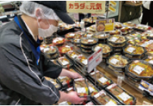
Tokyu Store has been gradually introducing a demand forecast ordering system to its chilled department since 2018 in an effort to reduce food waste. In addition, from 2021, the company will participate in the Tokyo Metropolitan Government's model project for "Advanced Food Loss Reduction Using ICT, etc." It has also introduced Synopsis' demand forecast ordering system to its prepared food department, and is working to reduce food waste by using AI to improve ordering accuracy and issue discount and additional production alerts at the optimal time.

Maintaining high freshness and reducing food waste by using "freshness-preserving bags"

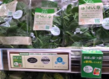
Additionally, Tokyu Store has been using freshness-preserving bags for fresh produce (vegetables and fruits) since around FY2022, and with the cooperation of producers in the producing areas, we will continue to provide fresher vegetables and fruits to customers, so that they can eat them at home while they are still fresh.

Promoting awareness of food education and reducing food waste

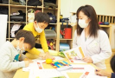
We are carrying out activities to teach children the importance of eating a balanced diet so that they can live healthier lives, and to teach them the importance of food by handling actual foods and experiencing them, while also learning that approximately 800 million people around the world suffer from hunger. In our activities, we are working with the Five-a-Day Association, a general incorporated association that provides nutrition education to promote healthy eating habits that incorporate plenty of vegetables and fruits, to raise children's awareness of nutrition education and food waste reduction that can be done at home.
Starting in FY2022 we will strengthen our food waste reduction program and deepen our collaboration with local governments and schools.

Food waste reduction campaign at hotel restaurant

In 2020, the Tokyu REI hotel brand, developed by Tokyu Hotels, ran the "Eat everything at a Tokyu REI hotel!!" campaign. This was planned by a group of young employees at the company, and participants could win accommodation vouchers and other prizes by posting "amazing" photos of their breakfast at a Tokyu REI hotel on the social media platform Instagram. The words in the title, "Eat everything!!", also mean "to eat everything", and by promoting breakfast, the campaign hopes to reduce food waste while raising awareness of the REI brand.

In addition, Nagoya Tokyu Hotel is working on a food waste reduction campaign to raise awareness of how to enjoy buffets and to avoid over-serving food on plates in order to reduce food waste at buffets. In addition, the hotel has joined the Zero Food Waste Cooperation Store initiative promoted by the Nagoya City Environment Bureau and is promoting this initiative.

"Concerning Food Loss" - Food waste prevention measures using stations

In December 2021, Nagahara Station was reborn with the "Ki ni Naru Renewal," which adopted designs and materials that evoke the warmth and warmth of the Ikegami Line. For a limited time, the station held the "Kinai naru Food Loss" event, where products that were going to be discarded before their expiration date were collected from Nagahara Station and all four stores along the Ikegami Line and sold to customers at Nagahara Station. This not only addresses the issue of food waste caused by large fluctuations in the number of potential customers due to weather conditions at food stores, but also contributes to reducing the effort required for food waste at stores.

Reducing food waste in Vietnam

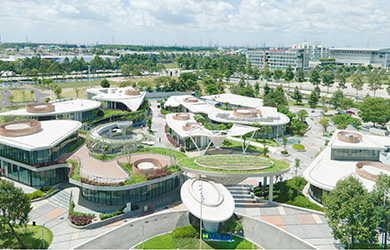
Becamex Tokyu, a local joint venture, is promoting the "Tokyu Garden City" project in Binh Duong New City, Binh Ninh Duong New City, Vietnam, and is developing Urban and community development and transport infrastructure. At the "Hikari" commercial facility in the city, the company is working to reduce food waste together with the restaurants within the facility.

Food waste, vegetable scraps from cooking, failed pizza dough, etc. are composted and used as fertilizer for the edible garden on the premises and as food for the fish kept on the premises.

In addition, the waste separation that takes place during this process raises awareness of the need to reduce waste and food waste.

Reducing waste by recycling unnecessary items, including lost property

Particularly relevant targets:

  • 12.2 Sustainable management and efficient use of natural resources
  • 12.5 Significantly reduce waste generation

Other related goals:

Related material sustainability themes:

  • Urban and Community Development
  • Decarbonized and recycling-based society

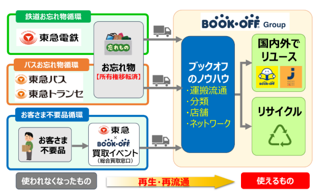
Our company, along with Tokyu Railways, Tokyu Bus, and Tokyu Transse, is working with the Bookoff Group (hereinafter referred to as Bookoff) to conduct a demonstration experiment for Urban and community development people don't throw things away, and is working to reduce waste by promoting the reuse and recycling of unwanted items, including lost items.

This pilot project will begin in December 2021 with an initiative to recirculate and recycle items found at Tokyu Line railway facilities through Book Off, and will expand to include items found on buses operated by Tokyu Bus and Tokyu Transse from June 2022. In addition, we are also holding events to buy unwanted items at facilities directly connected to stations, etc., to make it easier for customers areas served by Tokyu’s railway lines to reuse items.

Reusing and recycling items left behind at railway facilities and on buses

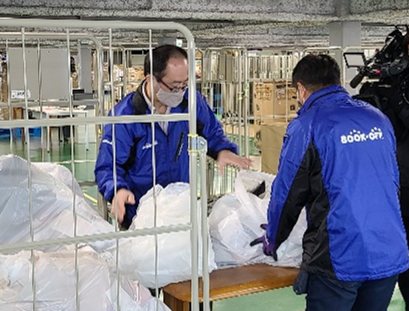
Items left behind at Tokyu Line stations or on board trains are stored and managed appropriately in accordance with the Lost Property Act and other relevant laws, and we strive to return items promptly when customers Contact about them. However, we have no choice but to dispose of items that cannot be found and whose legal storage period has expired, and until now we have had no choice but to treat them as waste. While the amount of waste amounts to approximately 25 tons per year (FY2020 results), many of these items were reusable as they were. Therefore, we are working to redistribute and recycle these items, utilizing Book Off's know-how in reuse and recycling and Book Off's store network both in Japan and overseas, for those items that Tokyu Railways has acquired ownership of after the storage period has expired.

Since the start of the initiative in December 2021, BookOff has collected approximately 1,240 kg in four months, of which 768 kg, or 62%, was redistributed as reused products at BookOff stores in Japan and overseas, and the rest was recycled as resources in principle. This contributed to reducing CO2 emissions by approximately 3.2 tons* in four months.

*Calculated based on the Ministry of the Environment's "Greenhouse Gas Emissions Calculation and Reporting Manual (Ver. 4.8)" (established in January 2022) as waste plastic incineration in industrial waste.

In addition, as with Tokyu Tokyu Railways, items lost on Tokyu Bus and Tokyu Transse buses were previously disposed of as waste after the storage period had expired. However, based on the results of the demonstration experiment at Tokyu Railways, from June 2022, the scope of the disposal will be expanded to include these items and efforts will be made to further reuse and recycling.

Expanding the culture of reuse through events to buy back unwanted items from customers

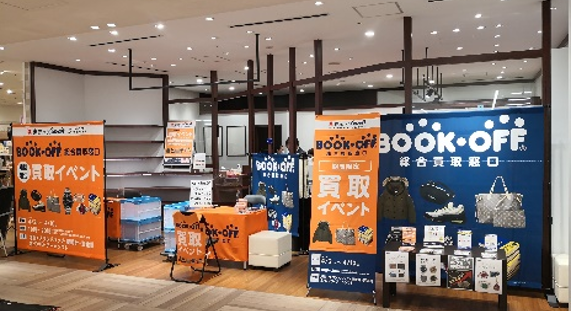
With the aim of creating an environment where customers living areas served by Tokyu’s railway lines can more easily participate in reuse, Book Off is holding limited-time unwanted item purchase events at facilities directly connected to Tokyu line stations, where customers can casually bring in unwanted items and ask for advice.

By August 2022, the event will be held for a total of 41 days at two locations, and a total of 8,878 items have been purchased and circulated as reused items. According to a survey of customers who participated, 12% of them sold unwanted items for the first time at the event, and 33% had sold unwanted items three or fewer times in the past, which suggests that the event has led to the discovery of new demand for reuse.

We will continue to hold similar events in order to spread the reuse culture in a way that a wider range of customers can easily participate in.

A Japanese-style gift to Thai children who represent the future

Particularly relevant targets:

  • 12.5 Significantly reduce waste generation

Other related goals:

Related material sustainability themes:

  • Urban and Community Development
  • Decarbonized and recycling-based society

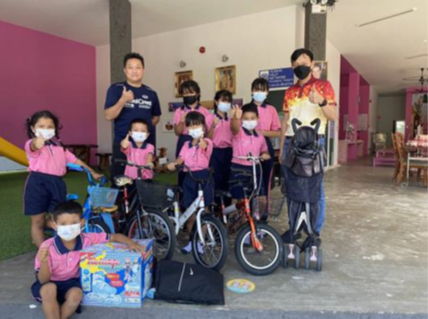
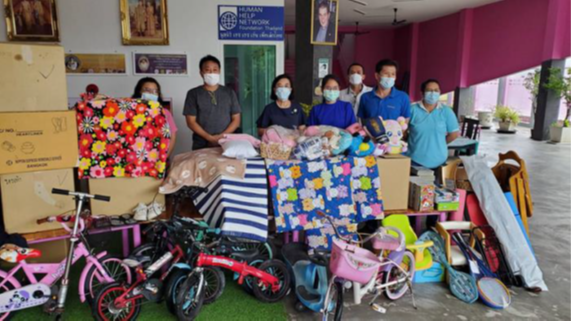
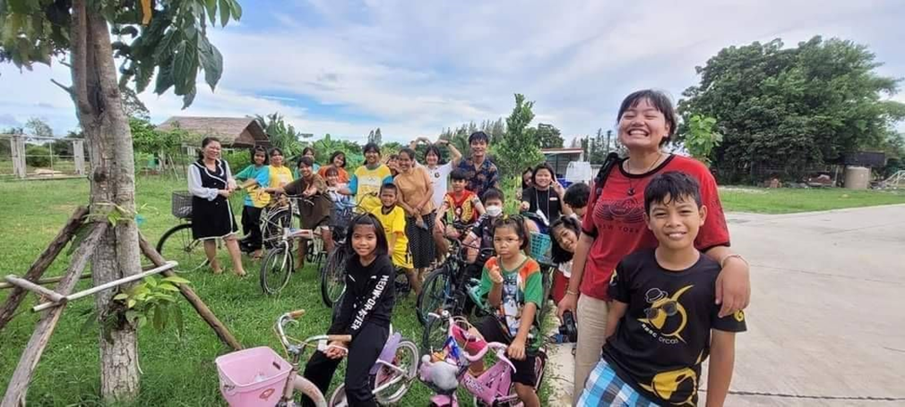
Our local subsidiary, Saha Tokyu Corporation, is developing Urban and community development in Sriracha District, Chonburi Province, Thailand. Many Japanese companies have set up shop in Sriracha, and we are promoting a rental housing business for Japanese people to provide safe and comfortable housing for Japanese expatriates and their families. At the rental housing "Harmonic Residence Sriracha," residents return to their posts every three years on average, so they move regularly, and each time they move, there is a problem of a large amount of still-usable bicycles, children's clothes and shoes, sports equipment, stationery, toys, etc. being discarded. Therefore, from 2021, Saha Tokyu Corporation has started an initiative to donate items to child welfare facilities in Thailand by calling on each household to cooperate as volunteers, and has been continuing this initiative ever since. Through the Japanese "Mottainai" and "Osari" culture, we contribute to the children who will be the future of Thailand, reduce waste and make effective use of resources, and foster connections between the Japanese community and the local area. It is a meaningful activity that allows the children of expatriate families to experience SDGs and Social Contribution. Due to the impact of COVID-19 restrictions, the number of donations to child welfare facilities and orphanages in Thailand has decreased significantly, so we have received many expressions of gratitude from facility staff and children for the many continued donations from Japanese families.